
Smarter Lines, Safer Days in the Backcountry
Today we dive into avalanche education and safe backcountry travel for skiers and splitboarders, focusing on practical field habits, decision frameworks, and true-to-life stories that turn knowledge into reflex. Expect clear planning tools, human-factor checkpoints, and rescue skills you can practice this week. Share your experiences, ask questions, and help others learn from your lessons so more partners return with bigger smiles and stronger judgment.
Reading the Mountain: Snowpack Clues and Terrain Clarity
Understanding the snowpack begins long before your skins touch the trail. Observe wind effect on ridgelines, cornice buildup, and drifting patterns that load specific aspects. Contrast sheltered glades with scoured slopes to gauge slab formation. Pair field observations with recent avalanche reports to avoid confirmation bias. Treat every slope as innocent until proven unstable, then keep asking what just changed. The mountain broadcasts signals constantly; your job is to listen without ego and act before a subtle warning becomes a slide.
Plan Before You Skin: Building a Solid Tour
Strong days begin at the table, not the trailhead. Pull the avalanche forecast, then translate danger ratings into concrete slope choices and travel modes. Choose objectives with multiple safer alternatives, filter by aspect and elevation, and write a specific turnaround time. Share the plan in a group message so expectations match. Decide your communications protocol and emergency contacts. Planning is not bureaucracy; it is the gift of clarity under pressure. When uncertainty climbs, your pre-made choices protect tomorrow’s options.
Practice That Saves: Companion Rescue Done Right
Rescue speed comes from deliberate, imperfect repetitions, not fancy gear. Practice beacons until movement becomes automatic, then add stress: gloves on, heart rate up, voice commands clear. Every second saved during probing and strategic shoveling multiplies survival chances. Track your times like interval workouts and celebrate improvements. Normalize calling a quick drill at transitions. When rescue skills live in your muscles, your brain stays available for leadership, reassurance, and the creative thinking real emergencies require.
Mindset in the Mountains: Human Factors You Can Manage
Avalanche accidents often follow excellent skiers making ordinary cognitive mistakes. Watch for scarcity mindset on powder days, social proof from other tracks, and goal fixation near summits. Build rituals that slow decisions: a three-question check at every transition, a red flag tally on the hour. Encourage dissent, reward turnarounds, and make humility contagious. Safety culture is not dour; it is generous. It keeps friendships intact and stories joyful enough to retell around many future maps.
Skis, Splitboards, and Efficient Movement
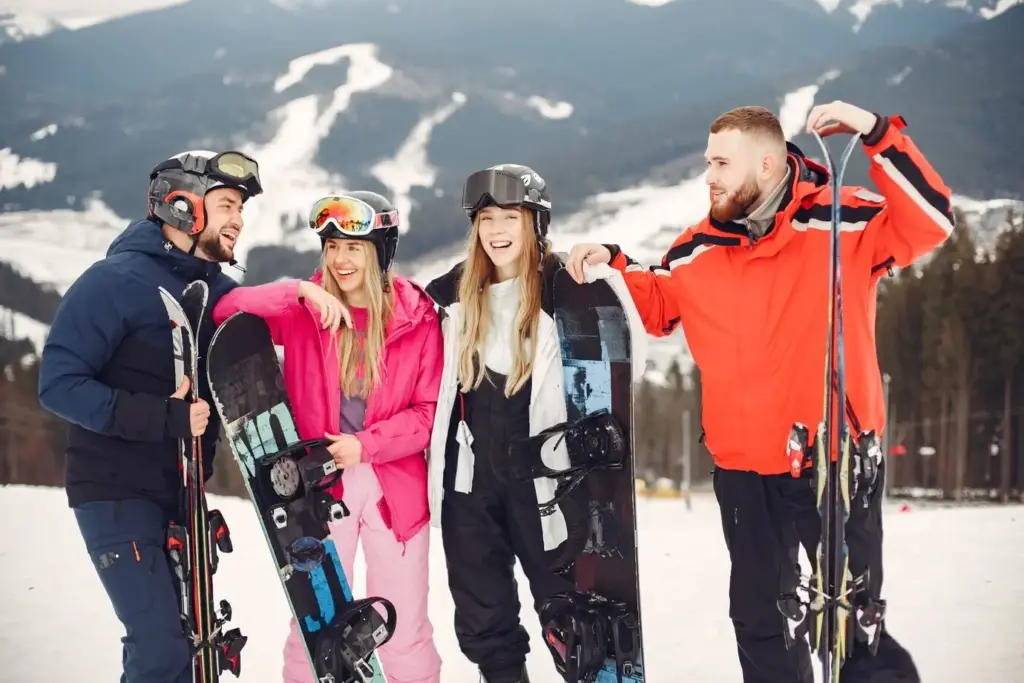
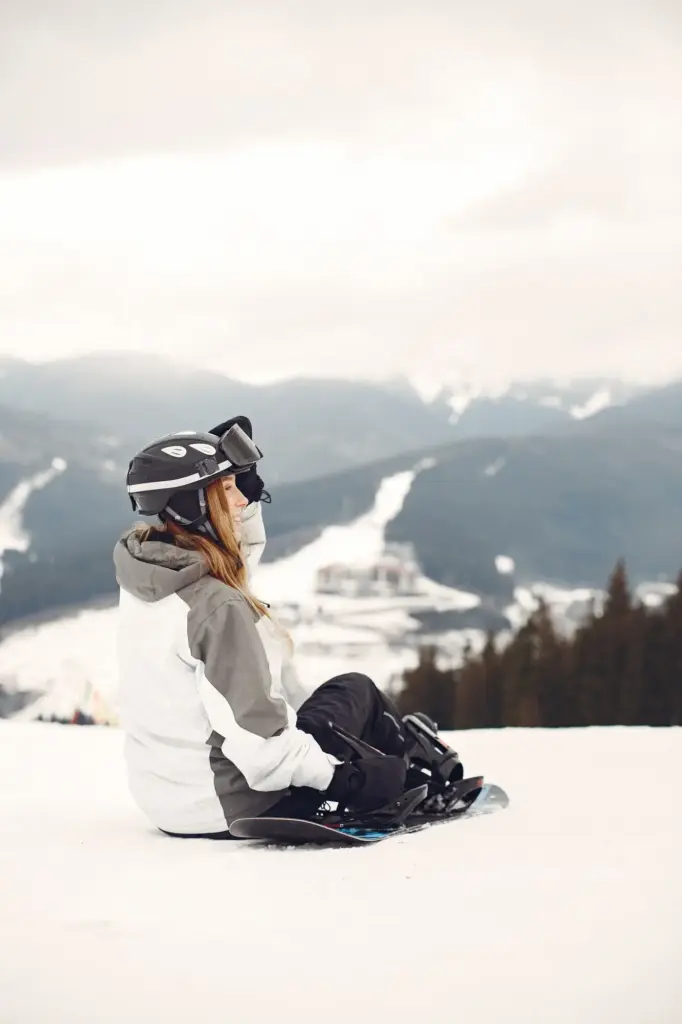
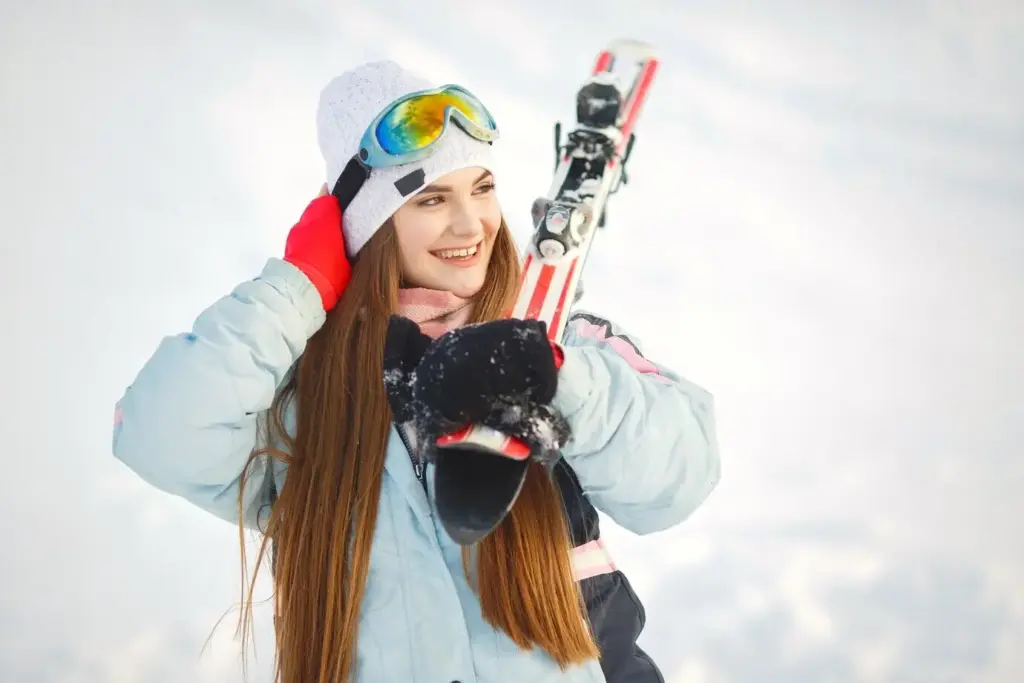
Efficiency is protective: it keeps groups warm, coordinated, and mentally sharp. Dial kick turns so you never stall under cornices. Refine skin track angles to preserve traction and conversation. Choose transitions that respect avalanche terrain by minimizing exposure time. Adapt techniques between skis and splitboards, especially on wind-affected slopes and variable snow. Small improvements compound over hours, leaving more bandwidth for terrain reading. Move with grace, not haste, and you will feel decision-making breathe again.
Uphill Techniques That Conserve Energy
Set a skin track that balances glide and grip, aiming for steady heart rates before steepness. Shorten steps on slick surfaces, keep hips square, and plant poles purposefully. Practice kick turns on safe, firm slopes until your body remembers without wobble. Splitboarders: master highbacks and riser management to avoid calf burn. Skinners: trust lower angles over macho ramps. Efficiency means more observation, fewer stops, and a team that arrives at decision points with calm minds and warm hands.
Transitions Without Chaos
Choose transition spots with overhead safety, wind shelter, and group visibility. Pre-stage gear the same way every time to reduce fumbles. Assign lookout and spacing roles while others switch. Keep packs zipped against spindrift and communicate time targets. Splitboarders: manage skins swiftly and check pins twice. Skiers: verify heel pieces and brakes. Before moving, call a quick checklist—beacon on, helmet buckled, plan confirmed. Smooth transitions protect margins and free attention for what the slope is whispering next.
Descending With Respect for the Slab
Ski or ride one at a time across consequential pitches and regroup at truly safe zones. Favor soft, supported features over loaded rollovers. Test small pockets before committing and watch sluff behavior as feedback. Keep speed as a tool, not an obligation. Splitboarders manage fall-line control; skiers mind tail support in thin spots. Radios coordinate eyes-on coverage. If anything feels wrong, pull out gracefully. Beautiful turns happen when judgment is stronger than hunger, and that beauty lasts longer.
Kits That Matter: Gear, Redundancy, and Communication
Carry essentials you know how to use under stress: beacon, probe, shovel, first aid, repair tools, headlamp, navigation, and reliable communication. Choose radios with clear channels and agree on call signs. Pack insulation that works when sweated, and food that you will actually eat. Redundancy focuses on failure points—skins, binding hardware, lighter, batteries. Gear is not a talisman; it is a plan rehearsed. Share your checklist with partners and refine it after every real or practice challenge.
All Rights Reserved.