

Stronger Before the First Snowfall

Today we’re diving into preseason conditioning and injury prevention for snow sport enthusiasts—skiers, snowboarders, and backcountry dreamers preparing for powder days and hardpack mornings. Expect actionable training progressions, recovery rituals, and gear-minded habits that help you move better, last longer, and stay safe when the mountain demands more. Share your questions, subscribe for weekly drills, and tell us where you ride so we can tailor future guidance to your conditions and goals.

Lower-Body Strength that Translates to the Slopes

Build capacity with front squats, rear-foot elevated split squats, Romanian deadlifts, and step-downs that mirror downhill braking. Emphasize depth, alignment, and steady tempo to engrain positions you’ll rely on during variable terrain. A weekend patroller once told me her early-season knee pain vanished after six weeks of split-squat focus, adding controlled load and tracking symmetry. Start lighter than ego suggests, master form, and let strength quietly accumulate.

Core and Hip Stability for Edge Control

For edges that bite without wobble, anchor your trunk and hips. Blend anti-rotation drills, Pallof presses, suitcase carries, Copenhagen planks, and lateral step-downs to reinforce the kinetic chain from ribs to ankles. Feel how stable hips keep knees tracking cleanly and reduce valgus collapse during sudden terrain changes. Film a few reps to spot drift, then fix with mindful breathing and slower tempos. Strong, quiet hips make smoother, safer turns.

Eccentric Training to Tame Quadriceps Burn

Long descents demand controlled deceleration. Use slow lowerings on squats and split squats, heel-elevated tempos for targeted quad stress, and Nordic hamstring regressions for balanced knee support. Count three to five seconds on the way down, pause, then drive up with intent. This patience teaches tissues to accept load, curbs chatter in variable snow, and delays that infamous thigh burn. Start with modest volume, then increase as soreness normalizes and movement stays crisp.

Mobility That Moves With the Mountain

Mobility should unlock strong positions, not chase endless stretching. Prioritize ankles, hips, and thoracic spine so knees track, hips absorb, and upper body steers without strain. Build short, daily flows that pair active range with light strength, like calf raises after ankle mobilizations or banded abductions after hip openers. Arrive at the hill with tissues that glide and joints that greet angles happily. Consistency beats marathon sessions crammed into one panicked week.

Ankles That Track Cleanly

Limited dorsiflexion steals edge control and pressures knees. Mobilize with knee-to-wall drills, banded joint distractions, and slow calf raises through full range. Add slant-board squats to bias depth and gradually expand comfort in forward shin angles. Test progress by measuring knee travel past toes against a wall, noting symmetry and feel. On snow, improved ankle glide reduces chatter, enhances grip, and keeps turns predictable even when grooming gets scraped and slick.

Hips That Let You Absorb Terrain

Hips negotiate bumps, compressions, and surprises. Use 90/90 transitions, controlled cars, frog rocks, and lateral lunges to open rotation and frontal-plane capacity. Pair with glute med work to stabilize tracking as you sink into turns. Keep reps smooth and pain-free, exhaling into deeper positions instead of forcing range. A rider once reported fewer back twinges simply by adding ten mindful lateral lunges post-ride. Comfortable hips make stacked, confident stances possible.

Cardio That Matches the Chairlift Clock

Snow days mix bursts of intensity with chilled pauses, so train both aerobic base and repeat-sprint capacity. Use Zone 2 rides or runs for durability, then layer intervals mirroring real run times. Track heart rate recovery between efforts, aiming for faster drop-offs as fitness improves. Practice nasal breathing at easier paces to calm nerves and sharpen focus. Arrive at first snowfall with lungs prepared for altitude changes and legs ready for successive laps.

Balance, Agility, and Reaction

Refine the systems that keep you upright when terrain surprises you. Train single-leg control, lateral quickness, and reactive stability so small slips never become big spills. Blend unstable but safe surfaces, light perturbations, and footwork ladders with crisp cueing. Finish sessions with low, athletic stance rehearsals you can recall under pressure. Balance practice isn’t circus trickery; it’s practical insurance for chop, wind crust, and late-day ruts that test everyone’s composure.

Single-Leg Mastery on Unstable Surfaces

Stand tall on one leg, then challenge vision and joints with soft-pad holds, airplane drills, and reach patterns that keep hips level. Add light kettlebells for suitcase holds to resist drift. Aim for quiet feet and controlled knees, not dramatic wobble. Progress with mini hops and stick-the-landing drills. The goal is reactive stiffness without panic, giving you instant corrections when a hidden rut catches an edge or a mogul surprises your line.

Agility Drills with Visual Cues

Turn footwork into decision-making by reacting to colors, numbers, or coach calls during ladder patterns or cone shuffles. Mix forward, lateral, and diagonal steps while maintaining stacked posture and soft knees. Keep efforts short and snappy, resting generously to preserve quality. Video a set to confirm hips aren’t collapsing. This playful chaos mirrors real runs, where quick reads and small adjustments keep momentum flowing without harsh braking or risky, last-second pivots.

Injury Shields: Knees, Back, Wrists

Prevention blends strength, awareness, and smart habits. Most knee issues stem from poor alignment and deceleration; backs hate stiffness paired with force; wrists need fall strategies and supportive gear. Build movement literacy with purposeful drills, not fear. Prepare tissues with progressive loading, then respect fatigue signals when enthusiasm outruns capacity. Learn how to fall, how to stop, and when to call it. Resilience grows from small, consistent practices layered thoughtfully over time.

Protecting ACLs Without Fear

Train landing mechanics under control: soft knees tracking over middle toes, hips back, trunk quiet. Use snap-downs, box drops, and lateral hops with stick-and-hold finishes, then progress to quick rebounds. Strengthen hamstrings with hinges and curls to support the knee. Practice decelerating from turns in the gym with lateral lunges and sliders. Awareness plus strength lowers risk, letting confidence expand without bravado. Celebrate perfect landings as much as heavier lifts or faster laps.

Happy Backs Through the Whole Season

Support your spine with hip mobility, bracing skill, and gradual loading. Practice diaphragmatic breathing, then pair it with dead bugs, bird dogs, and suitcase carries for endurance. In the gym, hinge cleanly and avoid chasing maxes when fatigued. On snow, stay stacked and let legs absorb. A veteran instructor swears by thirty seconds of cat-cows before booting up; small rituals reduce stiffness and keep your back calm through bumps, traverses, and those surprise flat landings.

Snowboarders’ Wrists and Falls You Walk Away From

Wrist guards, soft elbows, and smart fall patterns matter. Practice rolling diagonally across the forearm and shoulder instead of bracing straight with the palm. Build upper-body resilience with pushups, scapular pushups, and farmer’s carries to stabilize shoulders. On small features, rehearse gentle dismounts and bails so instincts stay kind. Keep bindings and stance angles comfortable to reduce awkward catches. Walk away from mishaps with dignity by preparing the body and rehearsing safer defaults.

Recovery, Nutrition, and Load Management

Training only works if recovery follows. Plan deload weeks, track morning energy and soreness, and eat to support connective tissue as much as muscles. Aim for protein consistency, colorful plants, and fluids that match effort and altitude. Sleep becomes your best supplement; protect it like a reservation on a storm day. Use massage guns, light mobility, or easy walks as feel-better tools, not badge-chasing marathons. Sustainable habits keep you riding strong all winter.

Gear, Environment, and Real-World Habits

Equipment choices and on-hill routines influence how your body handles force. Dial boot fit, stance, and tune so technique flows instead of fighting gear. Warm up deliberately, start conservative on first runs, and build pace as sensations sharpen. Respect weather swings and variable surfaces that change traction and timing. Carry a simple kit, hydrate even when cold, and check in with partners. Reliable habits transform powder fever into controlled, joyful days you remember fondly.

Boot Fit and Binding Angles that Respect Your Joints

Comfortable, controlled feet allow clean knees and hips. Work with a reputable fitter to address volume, heel hold, and pressure points. Experiment with binding angles and stance width to reduce torque while preserving leverage. Mark your settings and revisit mid-season as needs shift. A minor cant or footbed tweak can calm persistent knee chatter. Good fit isn’t luxury—it’s foundational biomechanics, converting strength and mobility into stable, predictable edges under real-world forces.
Edge Tune and Speed Control

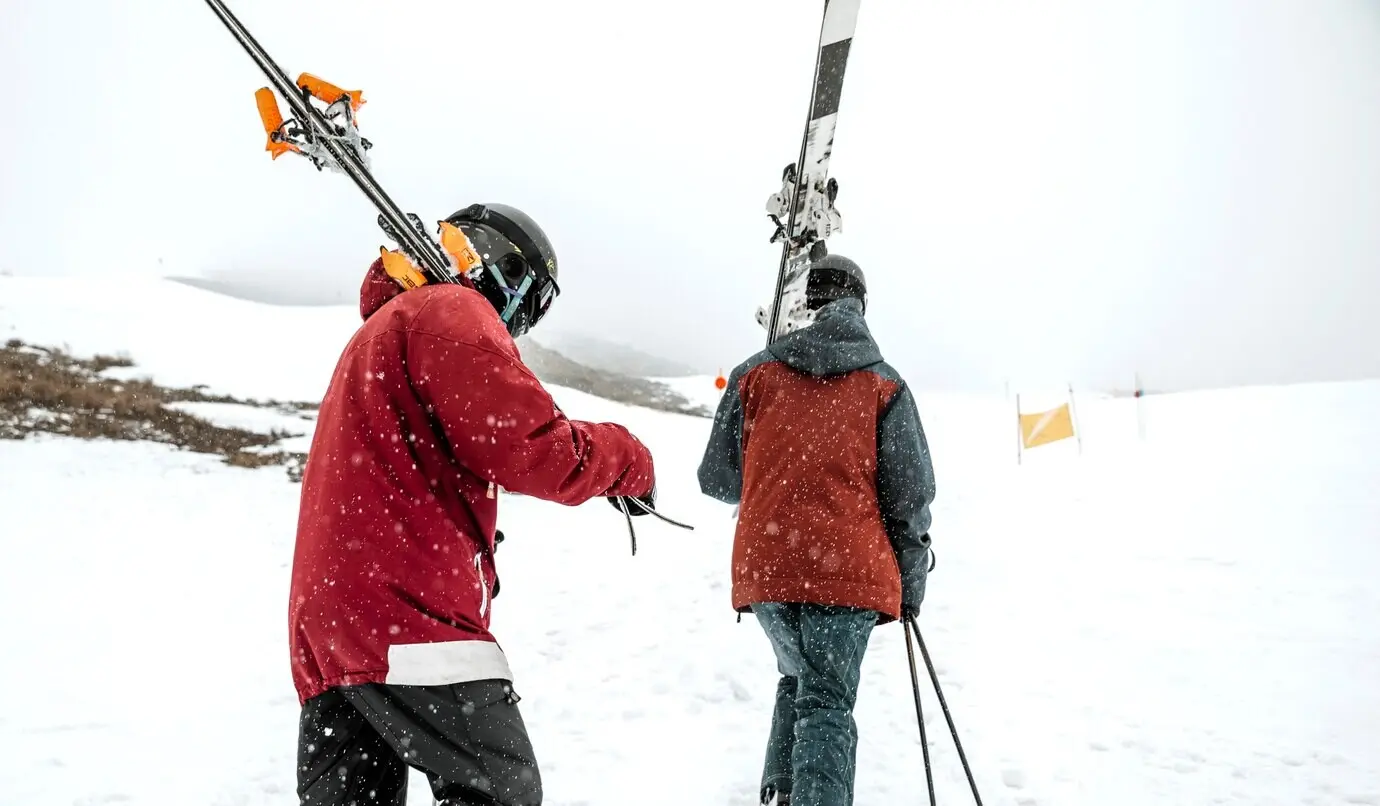
Fresh edges bite reliably, especially on early-season hardpack. Keep tools sharp and bases smooth so you manage speed without wrestling. Practice deliberate speed checks and linked turns on easy terrain to refresh timing before tackling steeps. If conditions glaze, recalibrate expectations and enjoy skill reps rather than chasing hero lines. A tuned setup and humble warm-up round your readiness, protecting joints and pride while building rhythm you can trust as conditions evolve.

Lawyer-digitalmarketing
Privacy Overview

This website uses cookies so that we can provide you with the best user experience possible. Cookie information is stored in your browser and performs functions such as recognising you when you return to our website and helping our team to understand which sections of the website you find most interesting and useful.